15 July 2026
Why Watching Birds Makes You Happier (the Research Is In)
Anyone who feeds birds already knows the feeling: ten minutes at the kitchen window with a coffee and a busy feeder, and the day starts better. What’s pleasing is that the research, study after study, keeps agreeing with you.
What the studies keep finding
A University of Exeter team studying towns in southern England found that people living in neighbourhoods with more birds, and who could see more birds from home, reported lower levels of depression, anxiety and stress. It didn’t require rare birds. The common garden species did the work, simply by being visible and busy.
A large European study led by researchers at the Senckenberg institute went further and found that the diversity of birdlife around people’s homes tracked with their life satisfaction to a degree comparable with the effects of income. More kinds of birds nearby, measurably happier people. German researchers have since repeated the pattern.
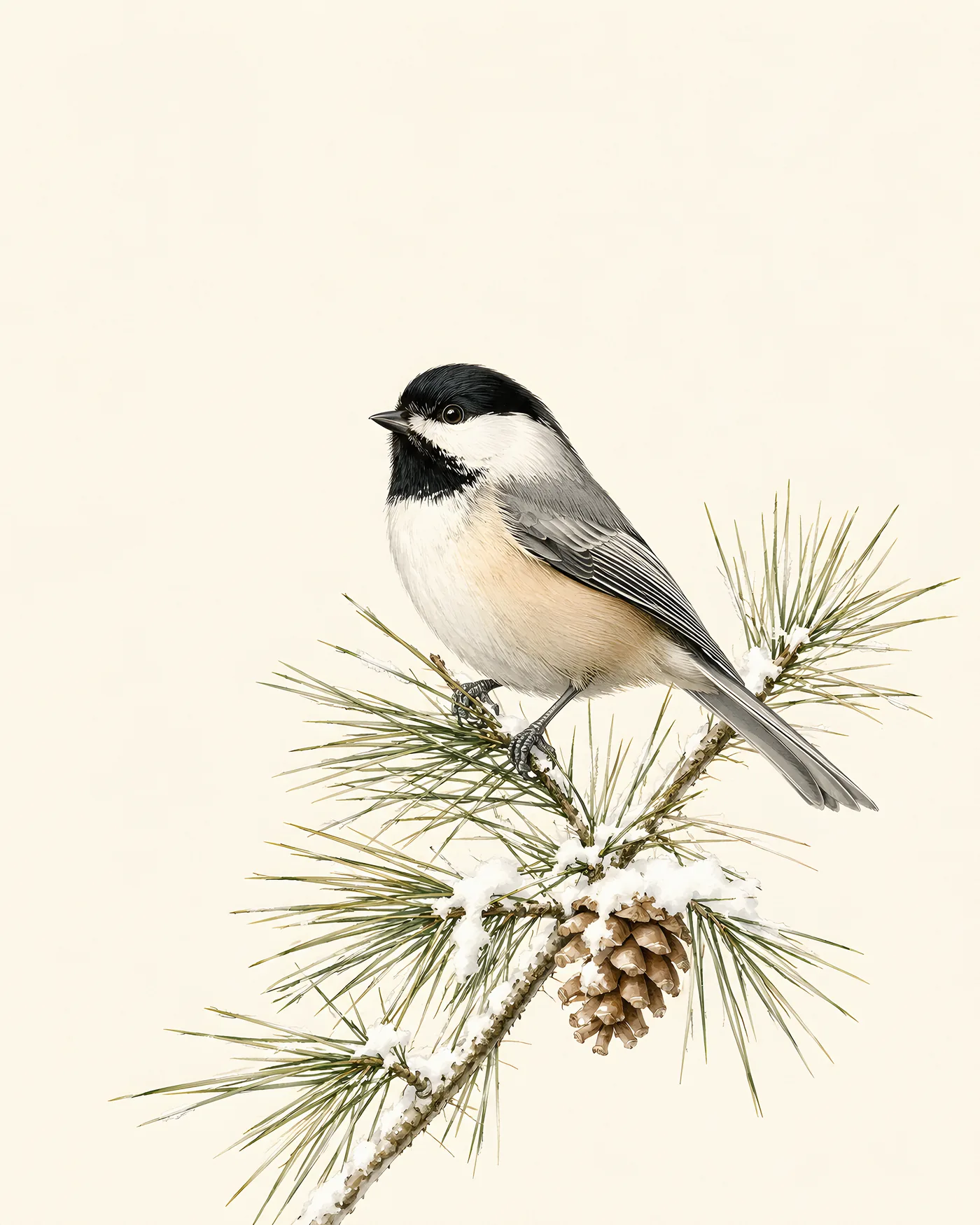
And psychologists have a name for the mechanism: attention restoration. The idea, going back to Rachel and Stephen Kaplan’s work, is that nature offers what they called soft fascination, things interesting enough to hold the eye but undemanding enough to let the tired, deliberate part of your attention rest. A chickadee working a feeder is the textbook case. You cannot doomscroll and watch a chickadee at the same time. The chickadee wins.
Why birds, specifically
Plenty of nature is restorative, but birds have three unfair advantages. They come to you: a feeder turns any window into a hide. They move and sing, which gives the attention something gentle to follow. And they keep a schedule, dawn and dusk, season by season, which quietly reattaches your day to something older and steadier than your inbox.
There is also the noticing itself. Learning even a handful of your feeder’s regulars by name changes the walk to the car. The British Trust for Ornithology’s researchers have made this point for years: it is the act of paying attention to birds, not expertise, that carries the wellbeing effect. You do not need a life list. You need a window and the habit of looking.
Getting more of the feeling
The prescription writes itself: a feeder you can see from where you already sit, ten unhurried minutes a day, and something that deepens the noticing, a journal, a resident field guide, or, if we may, a monthly letter about the birds you’re watching. The letters exist for exactly this reason: they are the sit-down-and-look, delivered on paper, the first Tuesday of every month.
The birds were already making you happier. The research just gives you permission to take it seriously.
Maebh Collins writes the monthly letters at Wild Bird Post and runs the print house Ask About Birds, from Co. Louth, Ireland.