18 July 2026
How We Make a Monthly Letter (Paper, Ink and a Kitchen Table)
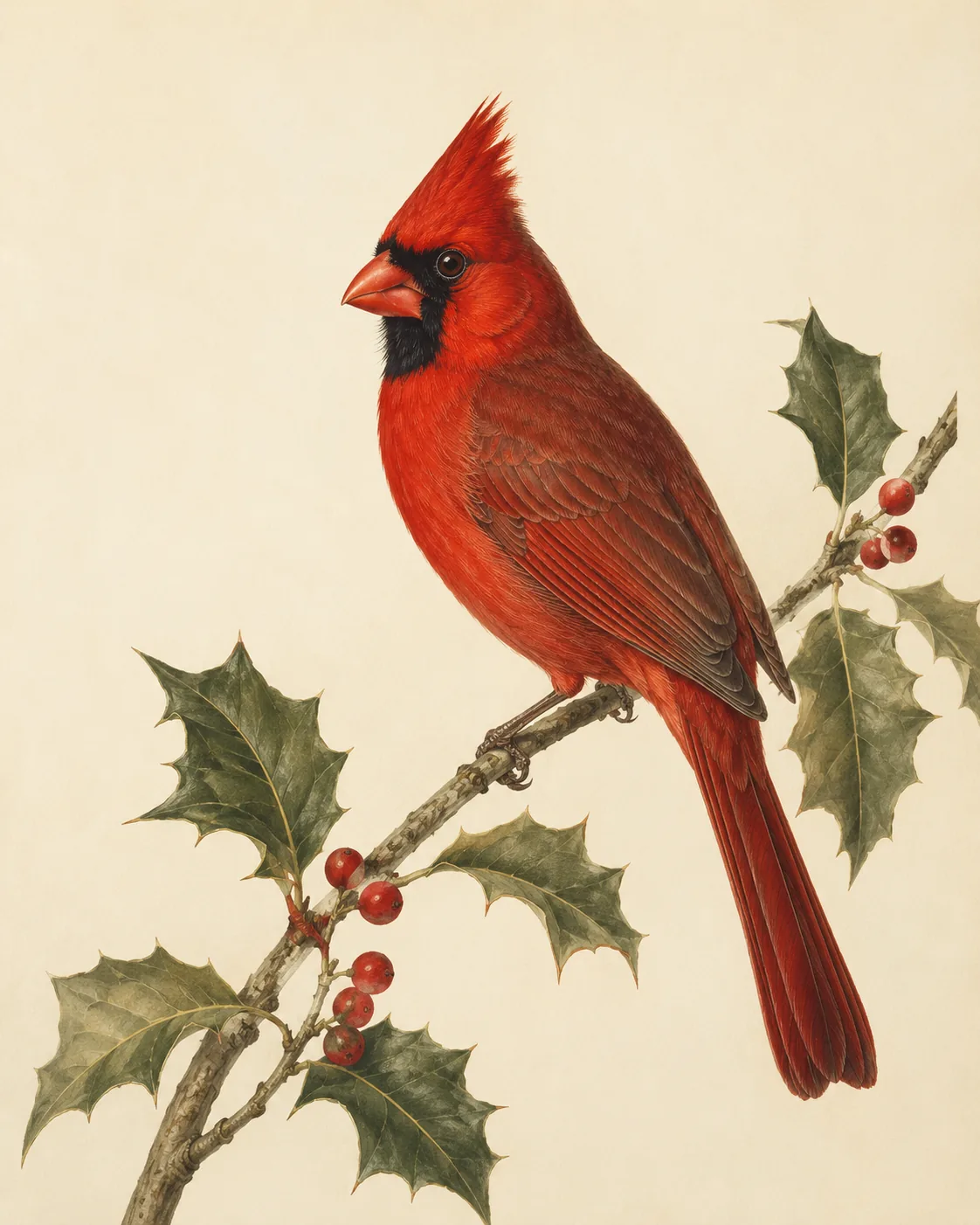
People ask, reasonably, how letter subscriptions are actually made once you take away the fulfilment centre and the mailing house. Wild Bird Post has a simpler answer than most: one desk, one person, Co. Louth, from first draft to final stamp. Here is the life a letter leads before it reaches your hand.
Longhand first
Every letter starts with research before it starts with writing: which bird, which story about it actually holds up rather than merely gets repeated, what the season is doing outside the window that month. Then it’s written by hand, in longhand, before a word of it is typed. That first draft is deliberately slow. A letter composed straight into a keyboard tends to read like an email that got long; one drafted longhand, the way people wrote to each other for a couple of centuries, tends to read like a letter. Only once the handwriting is finished does it move to a keyboard to be tightened and checked.
The poem hunt
Somewhere in the middle of drafting comes the part that takes the longest for its size: finding a few real lines of poetry about that particular bird. Not any poem. It has to actually be about the bird rather than birds in general, it has to earn its place on the page, and the poet has to be safely out of copyright, which in practice means searching through writers who have been dead the better part of a century. More often than not the name that turns up has half slipped from memory, Gallagher, Clare, Dickinson, Wordsworth, and the right handful of lines becomes the letter’s second voice, always credited by name, never lifted quietly. It’s the slowest part of the process, and the part that makes a letter worth keeping rather than reading once.
Type, ink and 250gsm
Once the words are settled, the letter is set in type: four pages, one bird, no padding, no paragraph waiting to be skipped. It’s printed on 120gsm cream letter stock, chosen for weight and hand-feel rather than price. The print that travels with it is a separate job entirely, run on 250gsm archival matte, the same heavy stock used across the whole Ask About Birds plate collection, edge to edge, no border, no mat, meant for a frame rather than a folder. On the Collector tier, that print is numbered by hand before it goes anywhere near an envelope.
One desk, then the queue at the post office
Assembly is too grand a word for what is really one person at one desk in Co. Louth: four pages folded, the print slipped in flat, the month’s paper keepsake tucked in last so it’s the first surprise when the envelope opens, seal pressed down, address written by hand. Then it’s stamped and carried to the post office in person, because a letter this deliberate doesn’t belong in a bulk mail sack. Every letter leaves through An Post on the first Tuesday of the month, whether it’s travelling two to four days to an Irish postbox or seven to twelve days to one on the other side of the Atlantic.
That whole process has already happened once. Read Letter No. 0, the cardinal letter, free and in full, to see exactly where it led. Every letter that follows, starting this autumn, goes through the same hands, the same desk, the same walk to the post office. If you’d rather the finished thing landed in your own inbox than picture the process, put your name down: Letter No. 0 arrives free the moment you do.
Maebh Collins writes the monthly letters at Wild Bird Post and runs the print house Ask About Birds, from Co. Louth, Ireland.